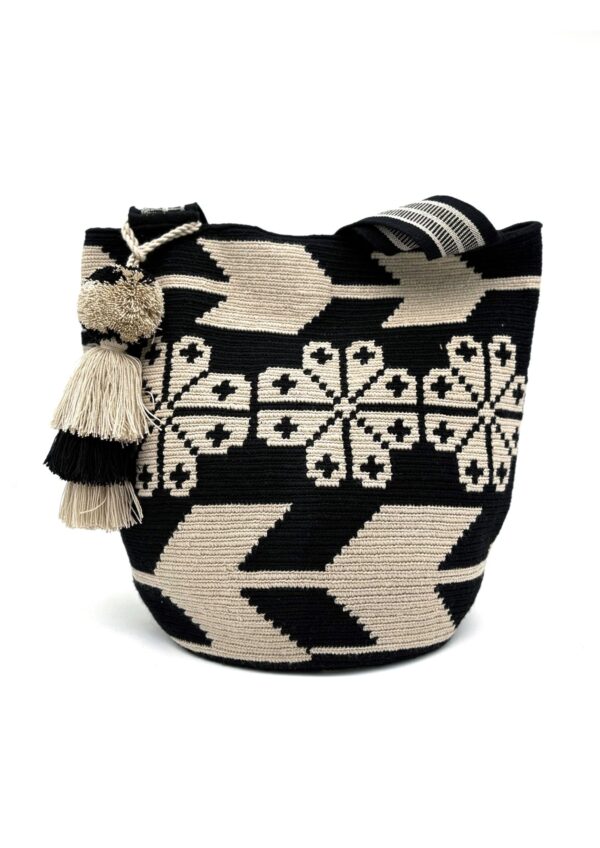
A label can’t tell the whole story. Here’s how we measure fairness — and why it goes far beyond a paycheck.
When people hear “fair trade,” they picture something good. A brand that pays its workers. A product made ethically. A symbol of doing the right thing. But the truth is: most people have no idea what “fair” actually looks like — not on the ground, not in the day-to-day life of the people who make the things we buy.
At Woven Wildly, we’ve learned that fairness isn’t a price point. It’s not a label. And it’s not a checklist. It’s a long, ongoing relationship — one that either empowers a community, or just extracts from it more gently.
So let’s break it open:
What does “fair trade” really mean?
And what do we owe the people who make the things we sell?
1. The Fair Trade Label: Helpful, but Incomplete
There’s no denying that fair trade certifications have done some good. They’ve pushed big brands to acknowledge labor rights. They’ve given consumers a tool to shop more ethically. But they’re also limited. Most certifications focus on:
Minimum wage guarantees
Safe working conditions
No child labor
Environmental practices
These are important — but they’re also the bare minimum.
What they rarely consider:
Is the artisan making enough to build a future, not just survive the month?
Are profits being reinvested into the community?
Does the maker have any ownership or say in how their work is marketed or priced?
Most certification models don’t touch those questions.
At Woven Wildly, we have to.
2. The Gap Between “Fair” and What’s Actually Fair
We work side by side with the Indigenous communities in Colombia: the Kogui, Arhuaco, Wiwa, and Wayuu. These are not factories. They are living cultures. Many of the women who weave mochilas are also raising children, tending fields, walking hours for water, or teaching the next generation.
So when a brand pays “fair wages” but walks away after the sale — is that truly fair?
Or is it just a cleaner version of the same old transaction?
We believe fairness means staying in the picture after the bag is sold.
Not to “help,” but to partner — long term.
3. What We Do That Goes Beyond “Fair Trade”
We don’t just pay fairly. We reinvest. Every mochila funds real projects that strengthen the community’s future:
We support a school that now serves over 40 Indigenous children
We’ve helped install solar panels to bring electricity to remote villages
We helped fund water filtration systems so families don’t have to boil water just to drink
We volunteer weekly, teaching English, Spanish, and computer skills
We’re building a system where artisans aren’t just workers — they’re collaborators
None of this is required by any certification.
But it’s required by our values.
And more importantly — by what the community actually says it needs.
4. The Problem With “Fair Trade” as a Selling Point
Let’s be honest: a lot of brands throw around “fair trade” as if it’s a marketing badge.
But it doesn’t mean the product is made slowly, intentionally, or with any connection to the maker’s wellbeing.
Fast fashion now sells “ethical” collections.
Luxury brands brag about “artisan-made” goods.
But the systems behind them haven’t changed.
The deadlines are still tight. The margins are still high.
The makers are still anonymous.
We don’t do limited drops to hype exclusivity.
Our bags take months because they’re handmade by women who live on their own time, not ours.
That’s not scarcity. That’s respect.
5. This Isn’t About Labels. It’s About Responsibility.
If you buy a bag from us, here’s what you’re really buying into:
A partnership that centers Indigenous women and communities
A process that honors time, tradition, and storytelling
A model that gives more than it takes
A future where Indigenous children can grow up with education, clean water, and the option to stay connected to their land and culture
Fair trade is a starting point.
But we’re aiming higher than that.
6. The Bottom Line
When we say “fair,” we don’t mean it the way most brands do.
We mean: shared ownership, shared outcomes, and shared humanity.
Not a transaction. A transformation.
We share this story as Woven Wildly — a living collaboration with Indigenous communities of the Sierra Nevada de Santa Marta. We don’t just sell mochilas. We carry culture.
Thank you for reading, for caring, and for helping preserve what matters.

This is what it’s really about — not just what we carry, but who we carry it for.
Every mochila sold helps keep these communities strong, self-sustaining, and seen.